Inactive Dried Yeast
In modern livestock farming, nutrition plays a critical role in improving animal health, productivity, and overall farm profitability. One ingredient that has gained significant attention in recent years is inactive dry yeast. Widely used in animal nutrition, inactive dried yeast is valued for its rich nutrient profile and its ability to support digestion, immunity, and performance—making it an essential component of animal booster nutrition.
What Is Inactive Dry Yeast?
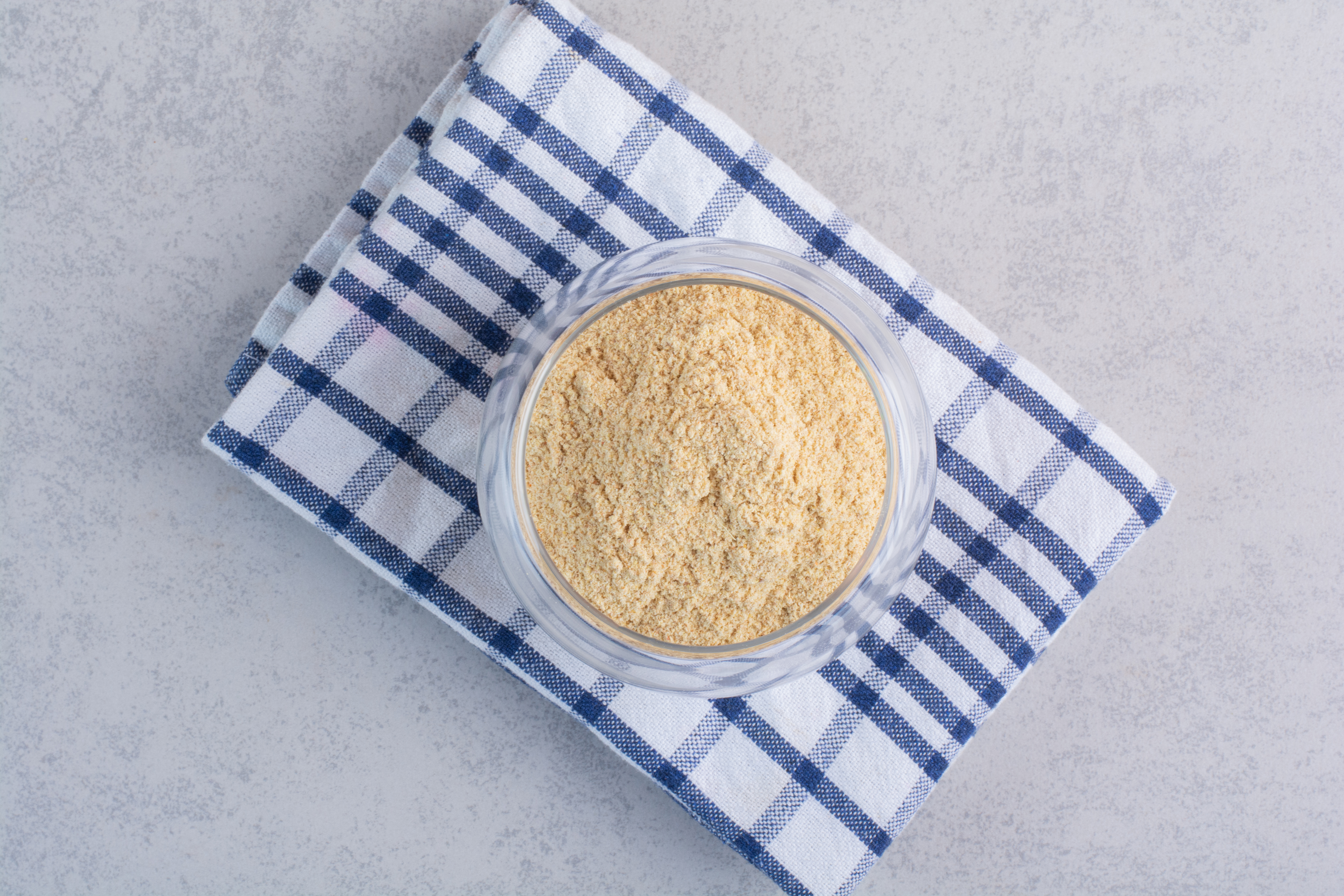
Inactive dried yeast is produced by cultivating yeast cells (commonly Saccharomyces cerevisiae) and then deactivating them through controlled heat treatment. Unlike active yeast, inactive dry yeast does not ferment. Instead, it serves as a highly nutritious feed ingredient packed with proteins, amino acids, vitamins, and functional compounds.
Because it is inactive, it is stable, easy to store, and safe to use across various animal feed formulations.
Nutritional Composition of Inactive Dried Yeast
Inactive dry yeast is a nutrient-dense ingredient that contributes to balanced animal diets. Key nutritional components include:
- High-quality protein with essential amino acids
- B-complex vitamins (B1, B2, B6, niacin, folic acid)
- Nucleotides that support cell regeneration
- β-glucans and mannan oligosaccharides (MOS) for immune health
- Minerals and trace elements
This composition makes inactive dried yeast a valuable addition to animal booster nutrition programs.
Benefits of Inactive Dry Yeast in Animal Nutrition
1. Improves Digestive Health
Inactive dry yeast supports gut health by enhancing beneficial gut microflora. Components like MOS help bind harmful pathogens, reducing digestive stress and improving nutrient absorption.
2. Enhances Immunity
β-glucans present in inactive dry yeast stimulate the animal’s immune system, helping livestock better resist infections and environmental stressors.
3. Boosts Growth and Performance
By improving feed utilization and nutrient availability, inactive dry yeast contributes to better weight gain, improved feed conversion ratio (FCR), and overall performance.
4. Supports Stress Management
Animals undergoing stress due to transport, climate changes, or production demands benefit from the immune-boosting and restorative properties of inactive dried yeast.
Applications in Animal Booster Nutrition
Inactive dry yeast is widely used across different segments of animal nutrition, including:
- Poultry feed – supports gut health, immunity, and egg production
- Cattle and dairy nutrition – improves rumen efficiency and milk yield
- Swine feed – enhances digestion and growth performance
- Aquaculture feed – supports immunity and stress resistance
Its versatility makes it a preferred ingredient in animal booster nutrition formulations aimed at improving productivity naturally.
Why Choose Inactive Dry Yeast Over Other Feed Additives?
Compared to synthetic growth promoters or antibiotics, inactive dry yeast is a natural and sustainable solution. It aligns with the growing demand for antibiotic-free animal nutrition while delivering consistent results in animal health and performance.
Key advantages include:
- Natural and safe
- Non-GMO options available
- Easy to blend with feed
- Suitable for all life stages
Conclusion
Inactive dry yeast has emerged as a powerful, science-backed ingredient in animal nutrition. With its rich nutritional profile and proven functional benefits, it plays a vital role in improving digestion, immunity, and productivity. Whether used in poultry, livestock, or aquaculture, inactive dry yeast is an effective component of modern animal booster nutrition strategies.
As the animal feed industry continues to move toward sustainable and natural solutions, inactive dried yeast stands out as a reliable choice for healthier animals and better performance.
Inactive animal Yeast, animal nutrition, Animal booster nutrition, Fobeventia