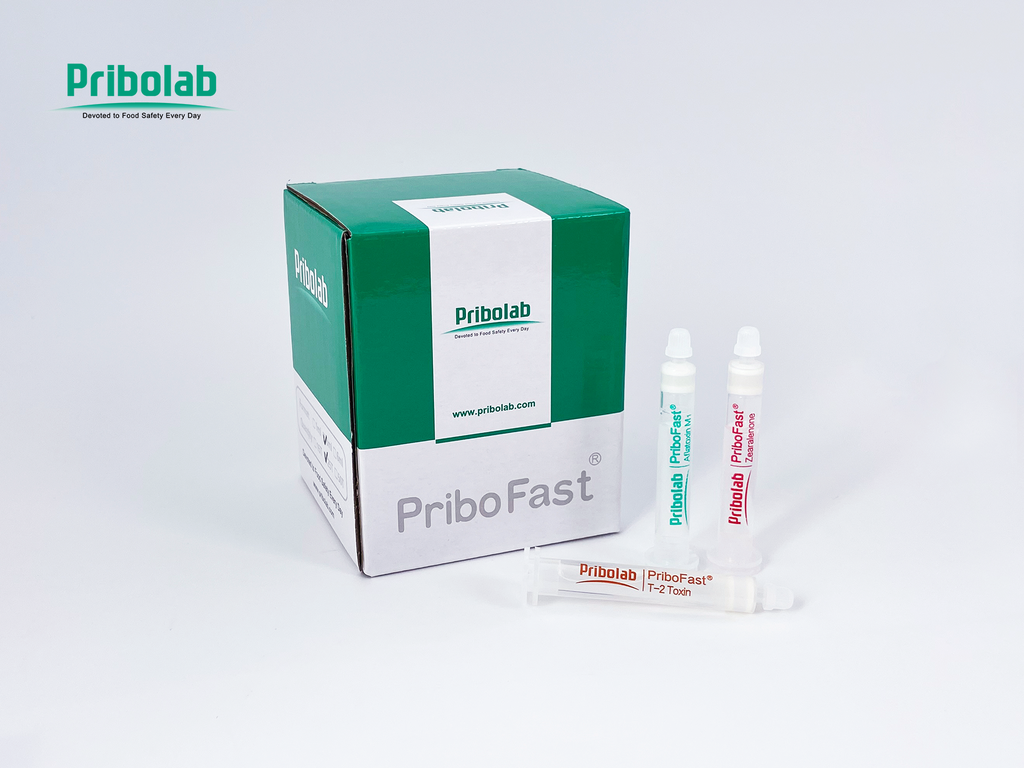
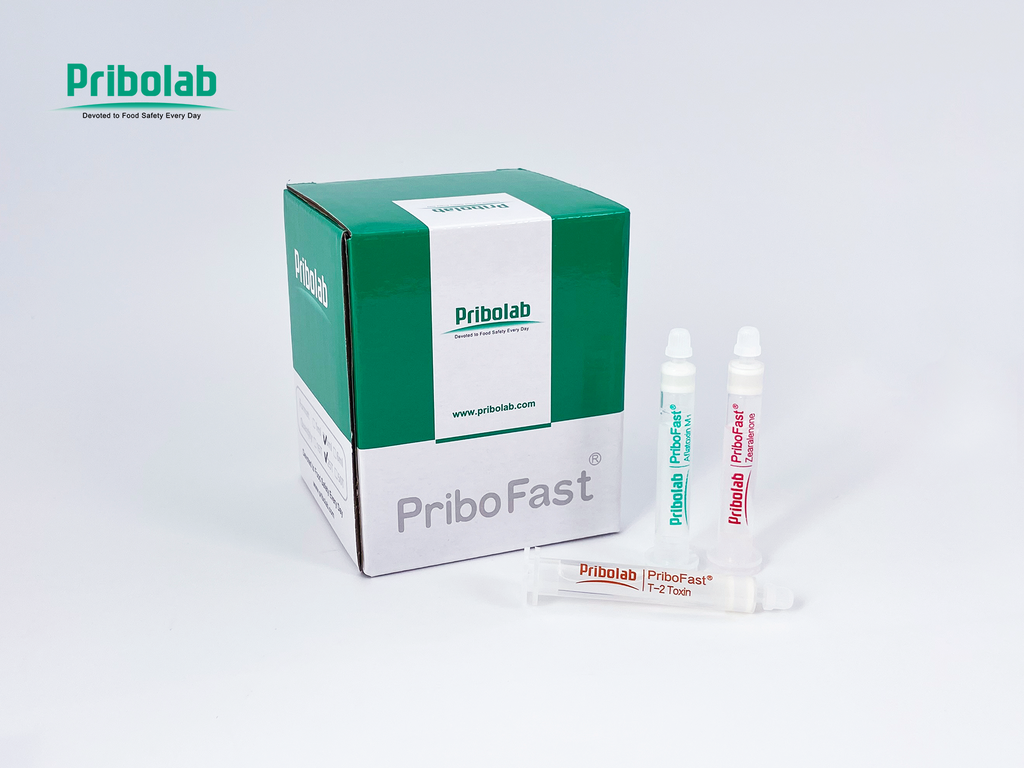
Immunoaffinity Column
HPLC Immunoaffinity Columns for Mycotoxin Analysis
What are HPLC Immunoaffinity Columns?
HPLC immunoaffinity columns are highly selective sample cleanup devices designed for the isolation and purification of mycotoxins from complex food and feed matrices prior to chromatographic analysis. These advanced cleanup columns utilize highly specific antigen-antibody interactions to selectively capture target toxins while removing unwanted matrix components that interfere with accurate analytical detection.
In modern food safety laboratories, immunoaffinity cleanup plays a critical role in improving the reliability, sensitivity, and precision of mycotoxin analysis using HPLC, UHPLC, and LC-MS/MS systems. The highly selective binding mechanism enables laboratories to achieve cleaner extracts and significantly enhanced chromatographic performance, particularly when testing difficult matrices such as spices, cereals, dairy products, animal feed, processed foods, nutraceuticals, and herbal materials.
One of the key advantages of HPLC immunoaffinity columns is selective toxin binding. Immobilized antibodies inside the column are designed to specifically recognize target mycotoxins such as aflatoxins, ochratoxin A, fumonisins, DON, zearalenone, and T-2/HT-2 toxins. This targeted interaction allows highly efficient sample purification while minimizing interference from naturally occurring matrix compounds.
Complex food matrices often contain pigments, oils, fats, proteins, carbohydrates, and naturally fluorescent compounds that can negatively affect chromatographic analysis. Immunoaffinity cleanup effectively removes these interfering substances, resulting in improved matrix cleanup and significantly reduced chromatographic interference.
Cleaner extracts directly contribute to enhanced analytical accuracy and improved detection sensitivity. Laboratories performing trace-level mycotoxin analysis benefit from sharper chromatographic peaks, reduced baseline noise, lower detection limits, and more reliable quantification. This is especially important for regulatory compliance testing where ppb-level detection sensitivity is required for food safety certification and export approval.
By improving chromatographic clarity and reducing contamination of analytical systems, immunoaffinity columns also help extend HPLC column life and maintain long-term instrument performance in high-throughput testing laboratories.
Why Immunoaffinity Cleanup is Important in Mycotoxin Analysis
Mycotoxin analysis is one of the most analytically challenging areas of food safety testing due to the complexity of food matrices and the extremely low concentrations at which toxins must be detected. Without effective sample cleanup, matrix interference can significantly compromise analytical reliability, sensitivity, and regulatory compliance.
Common Analytical Challenges in Mycotoxin Testing
Complex Food Matrices
Food and feed samples contain a wide range of naturally occurring compounds that interfere with chromatographic analysis. Challenging matrices commonly encountered in mycotoxin testing include:
- Spices
- Grains
- Dairy products
- Animal feed
- Processed foods
- Herbal extracts
- Nutraceutical ingredients
These matrices contain high levels of pigments, oils, proteins, fats, carbohydrates, and naturally fluorescent compounds that can suppress detector response or generate interfering chromatographic peaks.
Matrix Interference
Matrix interference is one of the primary reasons for inaccurate mycotoxin analysis. Interfering substances may lead to:
- False positive results
- False negative results
- Peak distortion
- Reduced recovery
- Baseline instability
- Poor quantification accuracy
- Detector suppression
In spice testing, for example, intense natural pigments from chili and turmeric can severely interfere with fluorescence detection and chromatographic interpretation if selective cleanup is not performed.
Trace-Level Detection Requirements
Regulatory authorities worldwide require mycotoxin detection at extremely low concentrations, often in the parts-per-billion (ppb) range. Laboratories must therefore achieve:
- High analytical sensitivity
- Trace-level toxin detection
- Consistent reproducibility
- International regulatory compliance
- Export standard conformity
This becomes particularly critical for export-oriented food industries where failure to meet global mycotoxin limits may result in shipment rejection and major financial losses.
Benefits of Immunoaffinity Cleanup
Immunoaffinity columns significantly improve analytical reliability by selectively isolating target toxins while removing interfering matrix components.
Higher Accuracy
Selective toxin capture improves quantification precision and analytical confidence.
Better Recovery Rates
Highly specific antibody interactions improve toxin extraction efficiency across difficult matrices.
Cleaner Chromatograms
Reduced background interference results in improved peak resolution and easier chromatographic interpretation.
Improved HPLC Performance
Cleaner extracts reduce contamination of HPLC injectors, tubing, detectors, and analytical columns.
Extended Column Life
Reduced matrix loading minimizes fouling and extends the operational life of expensive analytical columns.
Reduced False Results
Selective cleanup reduces analytical errors caused by co-extracted matrix compounds.
For laboratories involved in regulatory testing, export certification, and food safety monitoring, immunoaffinity cleanup has become one of the most reliable approaches for high-performance mycotoxin analysis.
Mycotoxins Detected Using Immunoaffinity Columns
3.1 Aflatoxin Immunoaffinity Columns
Aflatoxin immunoaffinity columns are widely used for the selective cleanup and purification of:
- AFB1
- AFB2
- AFG1
- AFG2
- AFM1
These columns are essential for highly sensitive aflatoxin analysis in:
- Spices
- Peanuts
- Maize
- Dairy products
- Milk
- Animal feed
- Dry fruits
- Oilseeds
Aflatoxin testing plays a major role in export compliance, dairy testing, and milk safety monitoring. AFM1 analysis is particularly important in dairy quality control due to the transfer of aflatoxin metabolites into milk products.
3.2 Ochratoxin A (OTA) Columns
Ochratoxin A immunoaffinity columns provide selective cleanup for OTA analysis in:
- Coffee
- Wine
- Cereals
- Dried fruits
- Spices
- Cocoa products
These columns improve detection sensitivity and reduce matrix interference in highly complex food samples.
3.3 Fumonisin Columns
Fumonisin immunoaffinity columns are commonly used for:
- Maize testing
- Animal feed analysis
- Cereal contamination monitoring
- Food safety compliance testing
3.4 DON / Vomitoxin Columns
DON immunoaffinity columns support accurate detection of deoxynivalenol contamination in wheat and cereal products. These columns help laboratories improve cereal safety monitoring and regulatory compliance.
3.5 Zearalenone Columns
Zearalenone columns are widely used for testing:
- Grains
- Animal feed
- Corn products
- Cereal ingredients
These columns help improve analytical accuracy in estrogenic mycotoxin analysis.
3.6 T-2 & HT-2 Toxin Columns
Applications include:
- Cereal testing
- Feed safety analysis
- Trichothecene toxin monitoring
- Regulatory compliance testing
3.7 Multi-Mycotoxin Immunoaffinity Columns
Multi-mycotoxin immunoaffinity columns enable simultaneous toxin cleanup for multiple analytes within a single workflow. These advanced cleanup systems improve workflow efficiency, reduce sample preparation time, and enhance laboratory productivity in high-throughput testing environments.
How Immunoaffinity Columns Work

Step 1 — Sample Extraction
The food or feed sample is extracted using suitable solvent systems such as:
- Methanol-water mixtures
- Acetonitrile-based extraction systems
- Aqueous extraction methods
These solvents help transfer target mycotoxins into the liquid phase for subsequent cleanup.
Step 2 — Sample Filtration
The extract is filtered to remove suspended particles and protect the immunoaffinity column from blockage.
Step 3 — Immunoaffinity Binding
The filtered extract passes through the immunoaffinity column where highly specific antibodies selectively capture target toxins through antibody-antigen interaction.
Step 4 — Washing
The column is washed to remove:
- Matrix components
- Impurities
- Pigments
- Oils
- Proteins
- Unwanted contaminants
Step 5 — Elution
Captured toxins are released using methanol or specialized solvent systems for chromatographic analysis.
Step 6 — HPLC / LC-MS/MS Analysis
The purified extract is injected into HPLC, UHPLC, or LC-MS/MS systems for highly sensitive toxin detection and quantification.
HPLC Immunoaffinity Columns vs Other Cleanup Methods
| Immunoaffinity Columns | SPE / Generic Cleanup |
|---|---|
| Highly selective | Lower specificity |
| Cleaner extracts | Higher interference |
| Better recoveries | Variable performance |
| Improved sensitivity | Matrix suppression possible |
| Strong regulatory acceptance | Limited selectivity |
| Reduced false results | Greater analytical variability |
| Better chromatographic clarity | Increased baseline interference |
Immunoaffinity cleanup provides superior selectivity compared to generic SPE cleanup methods, making it one of the most preferred approaches for trace-level mycotoxin analysis.
Applications Across Industries
Spice Industry
Immunoaffinity columns are extensively used for aflatoxin testing in chili, turmeric, pepper, and spice blends to support export compliance and food safety certification.
Dairy Industry
AFM1 immunoaffinity cleanup supports highly sensitive milk and dairy testing workflows.
Grain & Cereals
Testing for DON, OTA, and fumonisins is critical for cereal safety and regulatory compliance.
Animal Feed
Feed ingredients are frequently screened for multi-mycotoxin contamination to protect livestock health.
Nuts & Dry Fruits
Aflatoxin contamination risk in peanuts, pistachios, almonds, and dry fruits requires highly selective cleanup methods.
Nutraceutical Industry
Botanical contamination monitoring is essential for herbal products and nutraceutical ingredients.
HPLC & LC-MS/MS Compatibility
HPLC immunoaffinity columns are compatible with a wide range of chromatographic and analytical workflows.
Fluorescence Detection
Widely used for aflatoxin and ochratoxin analysis with highly sensitive fluorescence detection systems.
Post-Column Derivatization
Supports enhanced detector response for specific toxin groups.
LC-MS/MS Workflows
Ideal for advanced multi-residue analysis and confirmatory testing.
UHPLC Compatibility
Supports modern high-throughput UHPLC laboratories requiring faster analytical workflows.
Enhanced Analytical Sensitivity
Cleaner extracts reduce ion suppression and improve detector response in LC-MS/MS systems.
Key Performance Parameters
| Parameter | Importance |
|---|---|
| Recovery Rate | Ensures analytical accuracy and toxin quantification reliability |
| Specificity | Enables highly selective toxin cleanup |
| Cross-Reactivity | Determines compatibility across different food matrices |
| Detection Limits | Supports trace-level regulatory compliance |
| Column Capacity | Influences sample throughput capability |
| Matrix Applicability | Ensures versatility across complex sample types |
| Reproducibility | Improves consistency between analytical runs |
| Solvent Compatibility | Supports multiple analytical workflows |
| Flow Characteristics | Affects laboratory processing efficiency |
| Shelf Stability | Important for long-term laboratory storage |
Why Choose Immunoaffinity Cleanup for Indian Food Testing
India’s food industry presents unique analytical challenges due to highly diverse agricultural commodities, complex food matrices, and elevated fungal contamination risks associated with tropical climatic conditions.
Indian export commodities such as chili, turmeric, peanuts, maize, and feed ingredients frequently require highly sensitive mycotoxin analysis to meet international export standards. Spice matrices in particular contain intense natural pigments, essential oils, and complex organic compounds that can severely interfere with chromatographic analysis.
Immunoaffinity cleanup significantly improves testing reliability by reducing matrix interference and enabling trace-level compliance for export-oriented laboratories. The technology is especially valuable for laboratories handling:
- Spice exports
- Feed testing
- Dairy analysis
- Grain contamination monitoring
- Nutraceutical ingredient testing
- Multi-mycotoxin screening
As global regulations continue to tighten, highly selective immunoaffinity cleanup has become increasingly important for Indian laboratories seeking reliable ppb-level mycotoxin detection.
Why Choose Fobeventia
Fobeventia supports Indian laboratories with specialized expertise in food safety testing, chromatographic workflows, and mycotoxin analysis solutions.
Fobeventia provides:
- Technical support for immunoaffinity workflows
- Method optimization assistance
- Application-specific guidance
- Laboratory onboarding support
- Regulatory understanding for Indian and export markets
- Expertise in complex Indian food matrices
- Support for HPLC, UHPLC, and LC-MS/MS methods
- Assistance for spice, feed, dairy, and grain testing applications
With strong understanding of Indian food testing requirements, Fobeventia helps laboratories improve analytical reliability and workflow efficiency.
Frequently Asked Questions
1. What are immunoaffinity columns?
Immunoaffinity columns are selective sample cleanup devices that use antibodies to isolate target mycotoxins from food and feed samples before chromatographic analysis.
2. How do HPLC immunoaffinity columns work?
They use antibody-antigen interactions to selectively capture specific toxins while removing unwanted matrix components.
3. Why are immunoaffinity columns used in mycotoxin testing?
They improve analytical accuracy, reduce interference, and enhance detection sensitivity.
4. What is the advantage of immunoaffinity cleanup?
The main advantage is highly selective toxin purification with cleaner chromatograms and better recoveries.
5. Which mycotoxins can be detected using immunoaffinity columns?
Common targets include aflatoxins, ochratoxin A, fumonisins, DON, zearalenone, T-2, and HT-2 toxins.
6. Are immunoaffinity columns compatible with LC-MS/MS?
Yes, they are widely compatible with LC-MS/MS, HPLC, and UHPLC systems.
7. What is aflatoxin cleanup?
Aflatoxin cleanup refers to selective purification of aflatoxins from complex matrices before chromatographic analysis.
8. What matrices can be tested using immunoaffinity columns?
Spices, grains, dairy products, animal feed, nuts, cereals, processed foods, herbal materials, and nutraceuticals.
9. How are immunoaffinity columns used in HPLC?
They are used during sample preparation prior to HPLC injection.
10. What is matrix interference in mycotoxin analysis?
Matrix interference occurs when non-target compounds affect chromatographic performance or detector response.
11. Can immunoaffinity columns improve detection sensitivity?
Yes, cleaner extracts improve signal quality and reduce analytical background noise.
12. What industries use immunoaffinity columns?
Food testing, dairy, grain processing, spice export, animal feed, and nutraceutical industries commonly use them.
13. Are immunoaffinity columns AOAC approved?
Many immunoaffinity-based methods are validated according to AOAC and international regulatory standards.
14. What is AFM1 testing?
AFM1 testing detects aflatoxin M1 contamination in milk and dairy products.
15. What are multi-mycotoxin cleanup columns?
They allow simultaneous cleanup of multiple mycotoxins in a single analytical workflow.
16. Can immunoaffinity columns be reused?
Most immunoaffinity columns are designed for single-use applications to maintain analytical reliability.
17. How should immunoaffinity columns be stored?
They are generally stored under refrigerated conditions according to manufacturer guidelines.
18. What solvents are used for elution?
Methanol and specialized solvent systems are commonly used for toxin elution.
19. Why is sample cleanup important before HPLC?
Proper cleanup improves analytical accuracy, protects instruments, and reduces chromatographic interference.
20. What is the difference between SPE and immunoaffinity cleanup?
Immunoaffinity cleanup uses highly specific antibodies for selective toxin isolation, while generic SPE provides broader but less selective cleanup.
21. Can immunoaffinity columns reduce false positives?
Yes, selective cleanup significantly reduces interference-related analytical errors.
22. Are immunoaffinity columns suitable for spice testing?
Yes, they are highly effective for difficult spice matrices containing strong pigments and oils.
23. Why are cleaner chromatograms important?
Cleaner chromatograms improve peak identification, integration accuracy, and analytical confidence.
24. Can immunoaffinity columns extend analytical column life?
Yes, by removing matrix contaminants they reduce fouling of analytical HPLC columns.
25. Are immunoaffinity columns suitable for export compliance testing?
Yes, they are extensively used in export-oriented laboratories for trace-level regulatory testing and food safety certification.
Our IAC Column Categories
- Mycotoxin Immunoaffinity Columns
Designed for the purification of aflatoxins, ochratoxin, fumonisins, zearalenone, and DON before chromatographic analysis. - Vitamin Immunoaffinity Columns
Used for the selective purification of vitamins such as Vitamin B12 and Vitamin D from food and nutritional samples.